

NEMT Software Pricing
NEMT Software Pricing: What It Actually Costs in 2026
If you’ve started shopping for NEMT software, you’ve probably noticed most providers don’t list a price anywhere on their site. That’s not an accident. Pricing in this space depends heavily on your fleet size, feature needs, and how a vendor structures its plans. This guide breaks down how NEMT software pricing actually works, so you know what questions to ask before you get on a sales call.
Why NEMT Software Pricing Isn’t One-Size-Fits-All
Unlike off-the-shelf software with a fixed price tag, NEMT software pricing scales with your operation. A five-vehicle non-emergency medical transportation company has very different needs than a fifty-vehicle fleet juggling multiple broker contracts, and pricing usually reflects that difference. Before you can compare vendors fairly, it helps to understand the different ways NEMT software pricing gets structured in the first place.
The Most Common NEMT Software Pricing Models
Per-vehicle or per-driver pricing
Many providers charge a flat monthly fee for each active vehicle or driver in your fleet. This model scales predictably as you grow, but it also means costs rise in a straight line: adding five drivers means adding five subscriptions worth of cost, regardless of trip volume.
Per-trip pricing
Some platforms charge based on trip volume instead of fleet size. This can work well for operations with seasonal or fluctuating demand, since you’re not paying for capacity you’re not using. The tradeoff is that a busy month can mean a bigger bill, which makes budgeting less predictable.
Tiered subscription plans
This is probably the most common structure: a base plan with core features (dispatch, scheduling), and higher tiers that unlock things like broker integrations, automated billing, compliance tracking, or reporting. Tiered plans give smaller operations an affordable entry point while letting larger fleets pay for the features they actually use.
Custom/enterprise pricing
Larger operations, especially those running multiple broker relationships, complex billing rules, or high trip volume, often get quoted custom pricing rather than a published rate. This isn’t a red flag. It usually just means the vendor needs to understand your specific setup (number of vehicles, brokers you work with, compliance requirements) before giving an accurate number.
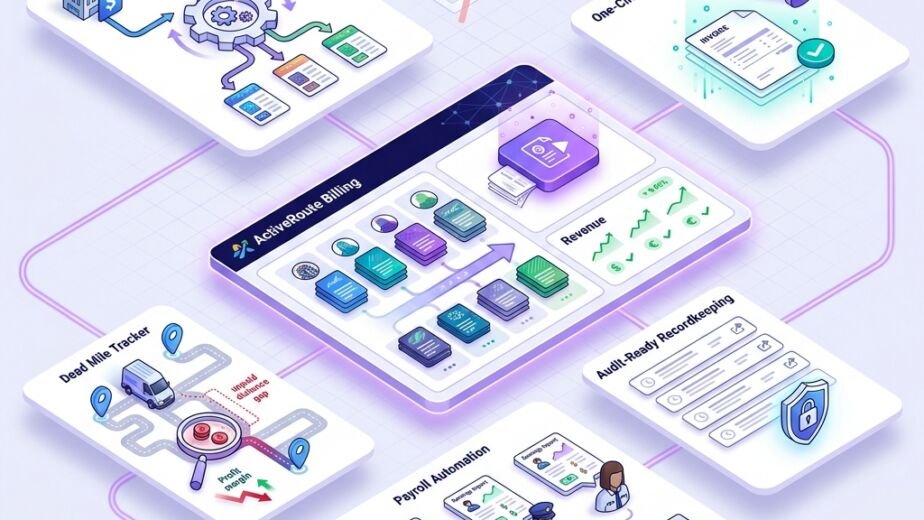
ActiveRoute, like most established NEMT platforms, uses a tiered subscription structure with pricing that scales based on fleet size and which modules you need. Dispatch, scheduling, billing and broker management, or compliance tracking can typically be added as your operation grows, rather than requiring you to buy everything up front.
What Actually Drives the Price Up or Down
A few factors tend to matter more than anything else when it comes to what you’ll actually pay:
- Fleet size: more vehicles or drivers generally means a higher bill, regardless of pricing model
- Broker integrations: if you work with multiple brokers (Modivcare, MTM, etc.), platforms that support automated broker billing and trip sheet uploads often price that as a premium feature
- Compliance and document management: HIPAA-compliant document vaults, automated expiry alerts, and audit-readiness tools are sometimes bundled into higher tiers rather than the base plan
- Reporting and analytics depth: basic trip reports are usually included everywhere; deeper revenue/profitability reporting (like dead mile tracking or margin visibility) tends to be a higher-tier feature
- Support level: some vendors charge more for dedicated onboarding, training, or priority support, especially for larger fleets
Questions to Ask Before You Buy
Since most NEMT software pricing isn’t published upfront, it’s worth going into a sales conversation with a clear list of what you actually need:
- Is pricing based on vehicles, drivers, trips, or a flat subscription?
- Are broker integrations included, or do they cost extra?
- Is compliance/document tracking part of the base plan?
- What happens if I add or remove vehicles mid-contract?
- Is there a setup or onboarding fee on top of the subscription?
Getting clear answers to these five questions will tell you more about your actual monthly cost than any published price range would.
The Bottom Line
NEMT software pricing depends on how a platform is priced (per-vehicle, per-trip, or tiered), what’s bundled into each tier, and how complex your operation is. Rather than looking for the “cheapest” option, it’s usually more useful to map your specific needs (fleet size, broker relationships, compliance requirements) against what each vendor’s plans actually include, so you’re comparing real costs, not just sticker prices.


Have any questions? Leave a comment below